
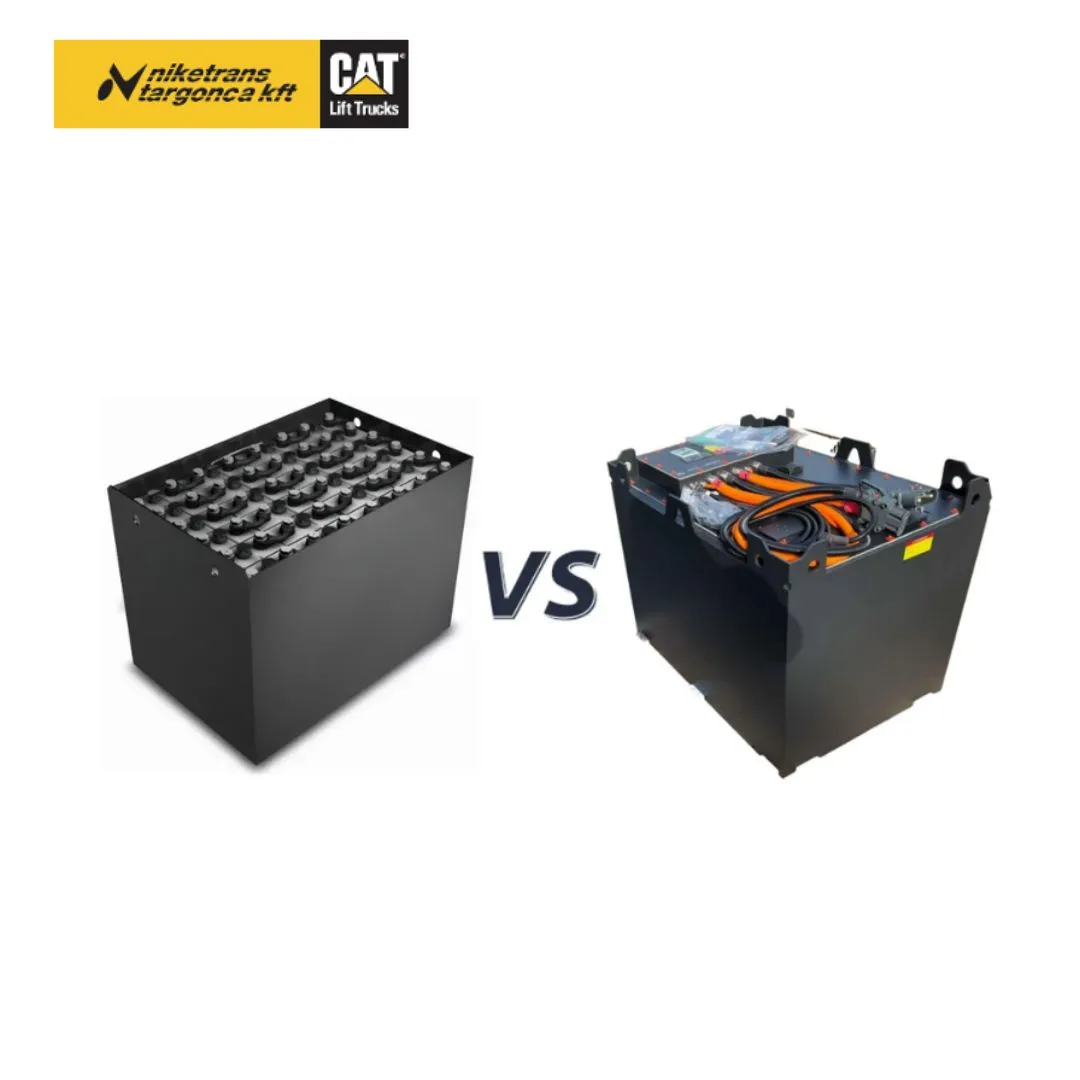
When choosing an electric forklift, brand and performance are not the only things worth basing your decision on. One of the most critical questions to think through carefully is: what type of battery should the truck run on? The forklift market uses two main battery types: lead-acid and Li-ion, the latter of which has recently begun to spread at an explosive rate. Both have their advantages and disadvantages, but more and more people are opting for lithium-ion. Let's look at why!
What should you know about lead-acid batteries?
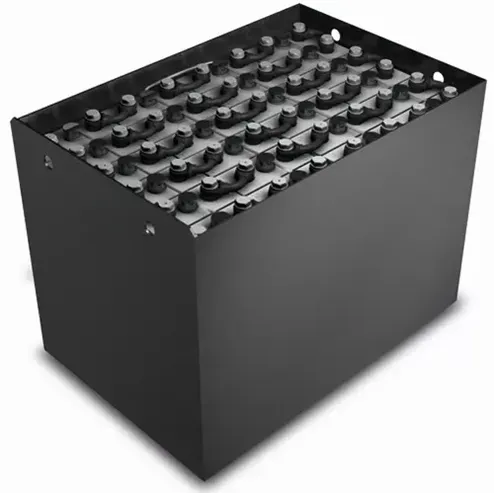
Lead-acid batteries were the old, tried-and-tested solution that long-time electric forklift users have probably come across most often. Although they are cheaper and more familiar than their modern Li-ion counterparts, compared with modern technologies they involve more and more compromises and more complicated arrangements.
Their charging time is longer: it is not unusual for it to take 6–8 hours before a truck using such a battery is ready for work again. This drawback significantly increases downtime.
Explosive gases can be released while they are charging, so special safety rules must be followed during charging. In addition, a separate charging room is required, with adequate ventilation and fire protection, to ensure complete safety, which can increase operating costs. Lead-acid batteries typically have a shorter service life, require regular maintenance and care, and their warranty is also limited. Their electrolyte level must also be checked from time to time and the fluid topped up when necessary.
Overall, the lead-acid solution may currently be cheaper, but it requires more energy and time to be invested in day-to-day operation.
What does a Li-ion battery offer?
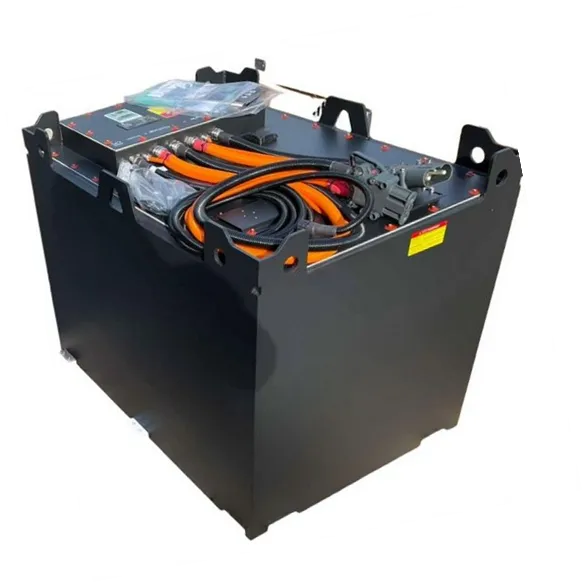
Li-ion technology has gained significant ground in the forklift industry in recent years and has undergone tremendous development. This is no coincidence, as it offers many advantages that have become almost indispensable in modern warehouses, logistics centres and alongside production lines.
The most important advantages include incredibly fast charging, as the battery can be fully charged in as little as 1–2 hours, so there is no need for the truck to stand switched off all night. It can also be charged at any time thanks to opportunity charging, which means that at any point – for example during the lunch break or at shift change – it can gain enough charge in as little as half an hour for work to continue almost without interruption.
Maintenance requirements are also considerably lower than for lead-acid batteries, as there is no need to top up electrolyte or regularly check acid levels as described above. Furthermore, no toxic gas is produced during charging, so there is no need to operate a separate ventilation system or comply with hazardous-substance regulations.
No separate charging room is needed either: the truck can even be charged in the main hall, saving space, energy and money. The service life of a Li-ion battery is up to 2–3 times longer than that of lead-acid solutions, and the manufacturer's warranty is also considerably more favourable.
These advantages are especially important in intensive use, where every minute counts.
Which battery is the right choice always depends on the operating environment, the budget and the user company's own needs.
For low-intensity operation of a few hours a day, a lead-acid solution may be sufficient, but if there is a lot of work, little time, and energy efficiency, safety and long-term return on investment are important, a Li-ion battery is the best choice.
At Niketrans, we can help with this too!
With decades of experience, we help our customers find the ideal forklift for them based on technical parameters, operating requirements and financial possibilities.\ Whether it is a Li-ion or a lead-acid electric forklift, you can count on us.\ And if you are unsure, we will help you decide: we will assess your needs and recommend a truck that pays for itself in the long run.