
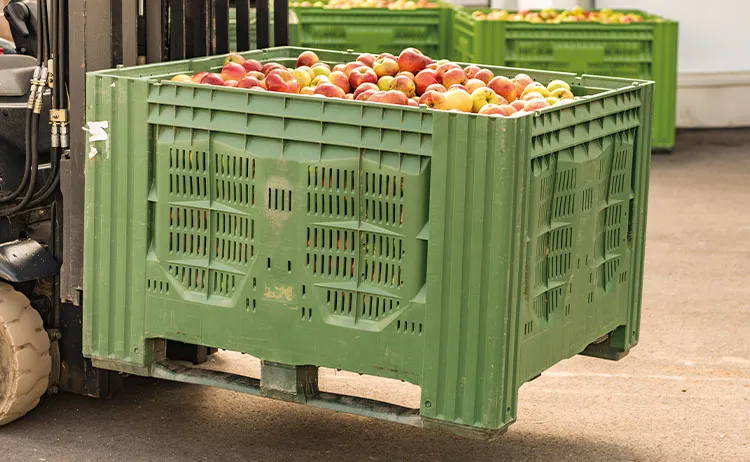
Over recent decades, palletised transport has fundamentally transformed freight transport and distribution processes worldwide. Thanks to its flexibility, cost-effectiveness and reliability, more and more companies across a range of industries are choosing it as their primary solution. In this efficient logistics chain, forklifts play a key role in moving and handling goods.
Why is palletised transport so popular?
Using pallets allows goods to be handled in a standardised way, making them easier to move, load and track. This method offers a faster and more economical alternative to both full-load and smaller parcel shipments. In addition, pallet distribution networks often operate on a hub-and-spoke model, where smaller local shipments are combined at a central hub, making logistics more efficient.
The importance of forklifts in pallet logistics
Forklifts, especially counterbalance forklifts, are indispensable tools for handling palletised goods. These machines ensure that goods are moved quickly and safely in warehouses, distribution centres and alongside production lines. Forklifts make it easy to lift, transport and place pallets onto racking or into lorries.
In modern logistics, many types of truck – such as electric forklifts, hand pallet trucks and reach trucks – are available to carry out all kinds of pallet transport tasks. Using the right trucks not only increases efficiency but also reduces the risk of accidents and labour costs.
Technological innovation and digitalisation
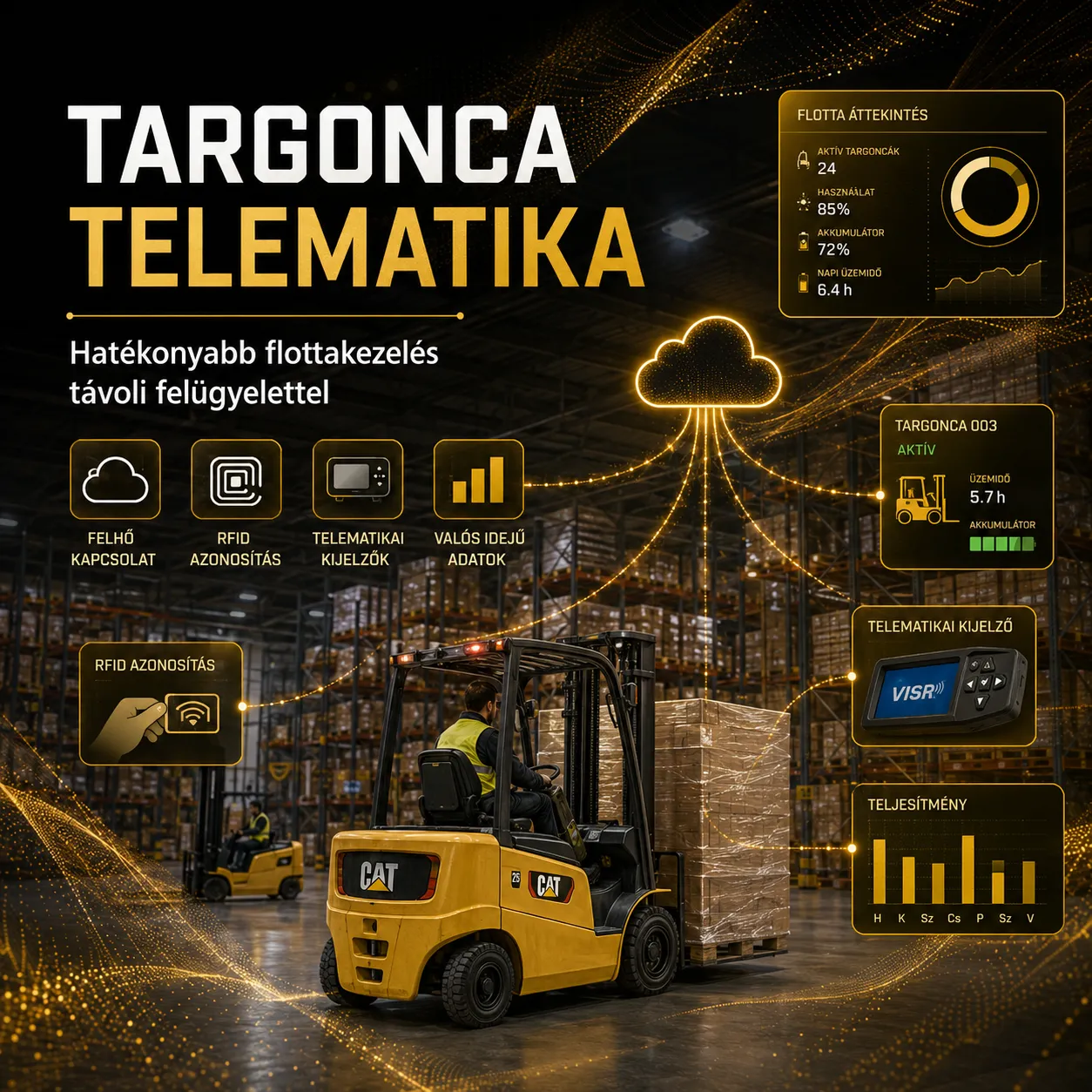
IT developments – such as RFID technology and cloud-based tracking systems – have significantly increased the transparency and accuracy of palletised transport. Access to real-time data enables companies to manage their inventories more efficiently and respond more quickly to any problems.
Smart solutions have also arrived in the world of forklifts: automated and self-driving trucks are increasingly supporting warehouse processes, reducing human error and increasing the speed of work and service.
Standardisation and international cooperation
Standardising pallet sizes and types is key to efficient international freight transport. Different standards exist around the world, but standardised pallets, such as the European standard (EUR pallet), make cross-border logistics operations considerably easier.
In addition, integrated customs systems, common markets and international cooperation reduce administrative barriers and speed up border crossings, which is particularly important for fast and flexible freight forwarding.
The future of pallet distribution: growing demand and adaptation
Supply chains are constantly changing, and palletised transport models are adapting to these changes. While small and medium-sized enterprises continue to enjoy flexibility and low costs, larger industrial players are increasingly demanding full truckloads that allow timed and precise delivery.
Logistics providers are introducing innovative solutions, such as working with competitors to consolidate shipments, or using advanced software to manage the movement of goods in order to increase efficiency and reduce costs. In this process, forklifts – whether electric or automated versions – remain essential tools in warehousing and freight transport.
Summary
Together, palletised transport and forklifts form the foundation of modern logistics. Technological progress, standardisation and digitalisation are making the handling of palletised goods more efficient, while the various types of forklift support the fast and safe flow of goods both in warehouses and in transit. Together, these tools ensure that global supply chains operate quickly, flexibly and cost-effectively.