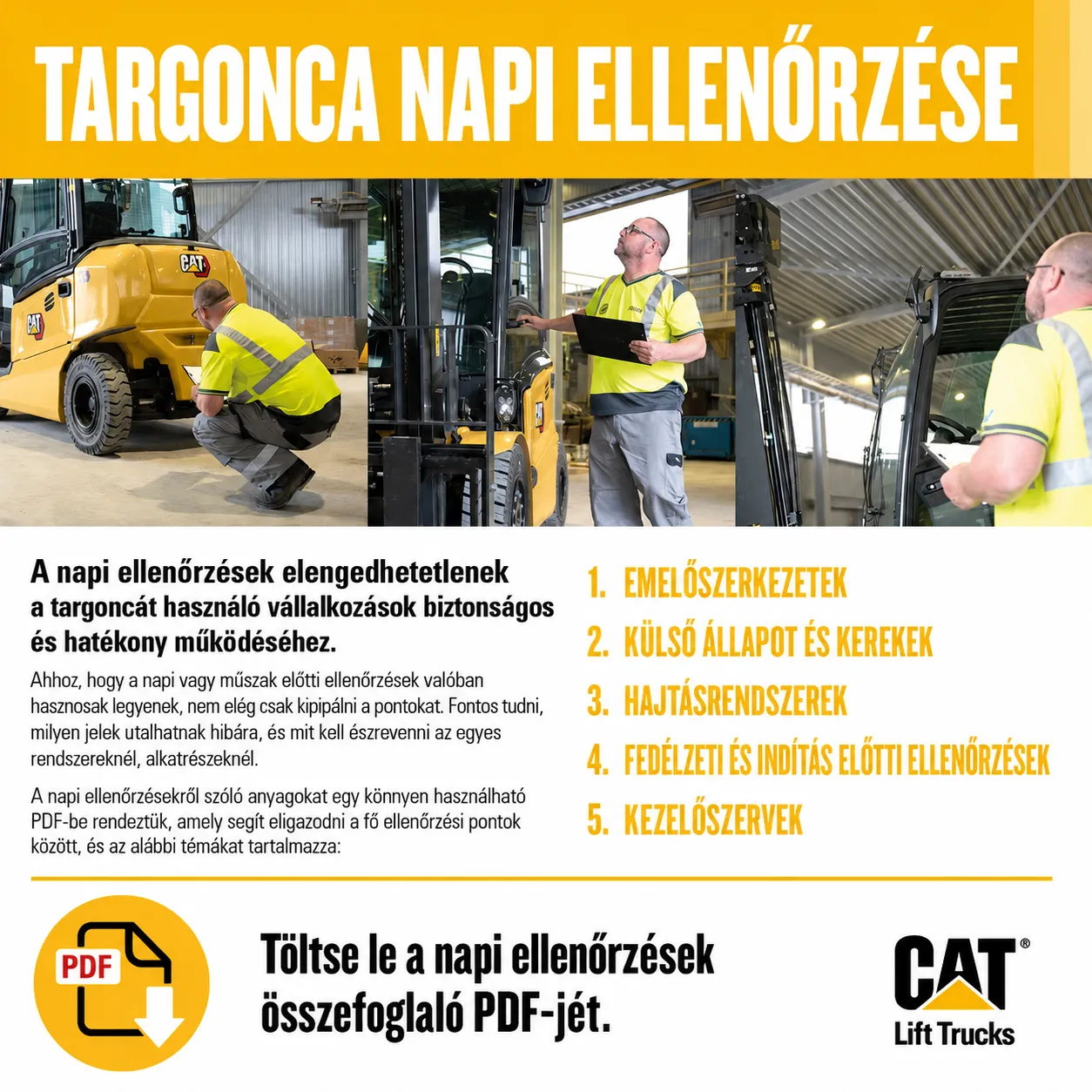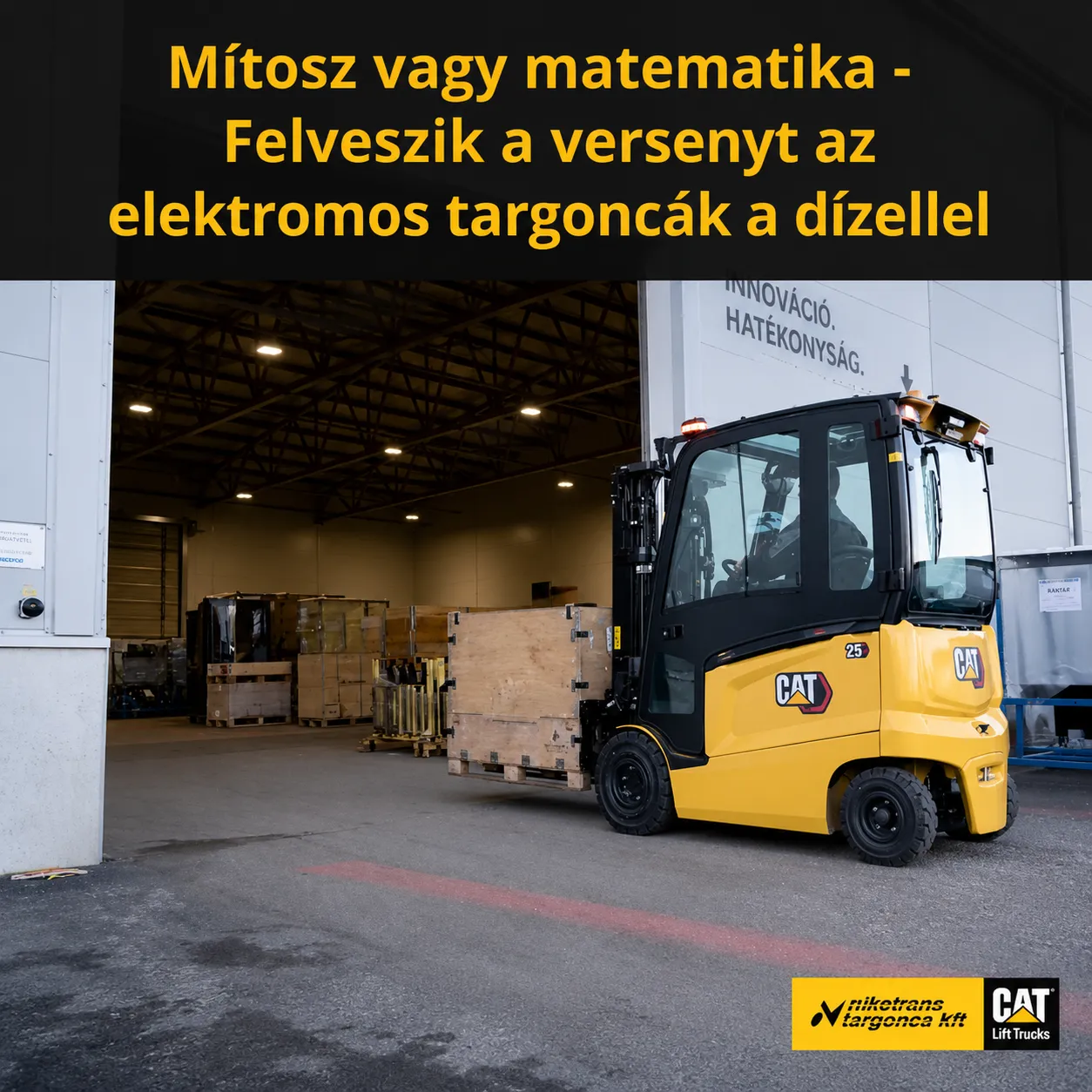


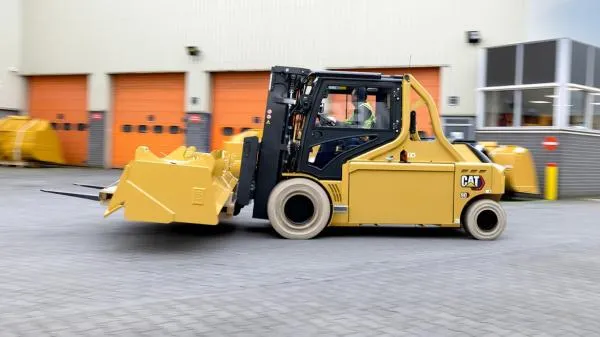
Electric counterbalance forklifts and warehouse trucks (such as pedestrian pallet trucks and stackers, order pickers, etc.) provide a reliable and environmentally friendly solution for industrial materials handling. However, correct battery handling is essential for these machines to operate safely and for a long time.
Why is battery handling important at forklift sites?
Whether it is a 3-tonne counterbalance forklift or a compact warehouse truck at a given site, proper battery handling plays a key role in forklift operation:
- It extends the life of the truck
- It minimises downtime and maintenance costs
- It reduces the risk of accidents in the warehouse or hall
Lead-acid batteries: what every forklift site needs to know
Conventional electric forklifts often run on lead-acid batteries. This is a stable, well-proven technology, but it requires regular maintenance and careful handling.
The main safety risks:
- Acid leakage: sulphuric acid is corrosive and dangerous to skin and eyes
- Gas emission during charging: hydrogen gas can pose an explosion risk in enclosed spaces
- Short circuit: improper handling can lead to an electrical discharge, which can cause accidents
What can warehouse staff do?
- Always wear protective gloves, a face shield and acid-resistant clothing
- Top up water only when the battery has cooled down, and only with distilled water
- Charge the battery in a ventilated, dedicated, purpose-built charging area
- Regularly check the fluid level and electrolyte density
- Open flames and spark-producing tools are prohibited in or near the charging area
Lithium-ion technology: the key to modern materials handling
Modern warehouse trucks are increasingly available with Li-ion batteries. This is no coincidence: these energy storage units offer much faster charging, greater efficiency and minimal maintenance.
Benefits in warehouse logistics:
- Fast charging – even during a shift, in breaks
- Maintenance-free operation – no water topping-up or electrolyte checks
- Longer service life – ideal for multi-shift operations
- Built-in protection (BMS) – prevents overcharging and overheating
Warehouse tips:
- Store the battery in a cool, dry place (ideally between 15 and 30 °C)
- Do not keep it fully charged or fully discharged
- Check and clean the connectors once a month
- Damaged batteries must be stored separately, in an enclosed area
Recycling and environmental protection
Every business with a forklift fleet should also prepare for the end of the batteries' life cycle.
- Lead-acid types are up to 95% recyclable
- Lithium-ion batteries require special handling and transport
- It is worth involving a manufacturer's take-back scheme or an industrial recycler in the process
How can you improve safety and efficiency at your site?
Following the steps below makes a significant contribution to safe and economical operation, especially if you run both counterbalance forklifts and warehouse trucks:
- Train every operator in the basics of proper and correct battery use
- Set up well-ventilated, designated charging zones if you operate forklifts with lead-acid batteries
- Introduce a maintenance log, especially for lead-acid batteries
- Use suitable lifting equipment to move batteries
- Work with reliable battery recycling partners
Summary
Safe and efficient work is not just about operating the forklift. Professional use, storage and maintenance of batteries is essential in every industry that uses counterbalance forklifts and warehouse trucks. If you think long-term, the reward will be fewer breakdowns, fewer accidents and a better return on investment.
Looking for a solution for the safe charging or maintenance of forklift batteries? We can help you optimise your logistics processes and increase the availability of your forklifts.
Get in touch with us today!