
Warehouse operations often come down to the details. A well-organised system is not only faster but also safer and more cost-effective. The forklift plays a key role in this – but only if it is used well. Here are 5 practical tips that can significantly increase efficiency:
1. Planned forklift routes = less empty running
One of the most common efficiency killers is unnecessary forklift movement. If it is not planned in advance which forklift should travel which route in the warehouse, congestion, waiting or empty runs can easily occur.\ The solution for avoiding problems like these:
- Use predefined routes to direct forklifts.
- Mark lanes on the floor to help forklift operators (e.g. with coloured lines).
- Plan a logical sequence between service points.
2. The type of forklift should match your warehouse's needs
It matters which forklift works in which environment. A diesel counterbalance forklift designed for outdoor use cannot be used in, and would not be ideal for, a narrow indoor shelving system with limited room to manoeuvre.\ Tip:
- Use smaller electric pallet trucks, stackers or reach trucks in tight spaces.
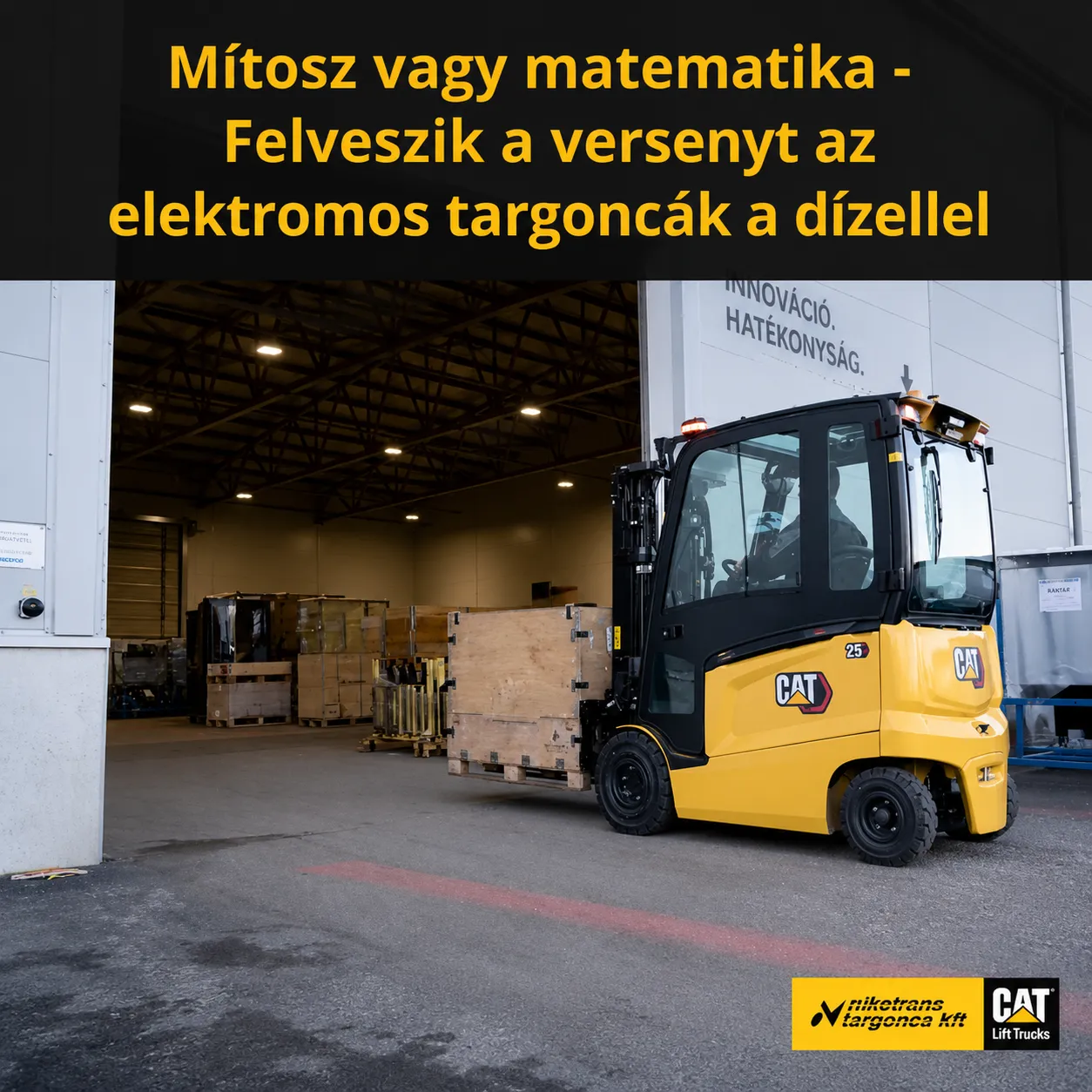
- Use counterbalance forklifts outdoors or for heavy weights (internal combustion or electric).
- If the areas of use are mixed, it is worth combining several types of forklift and pooling their strengths.
3. Fleet management and tracking – not just for large companies
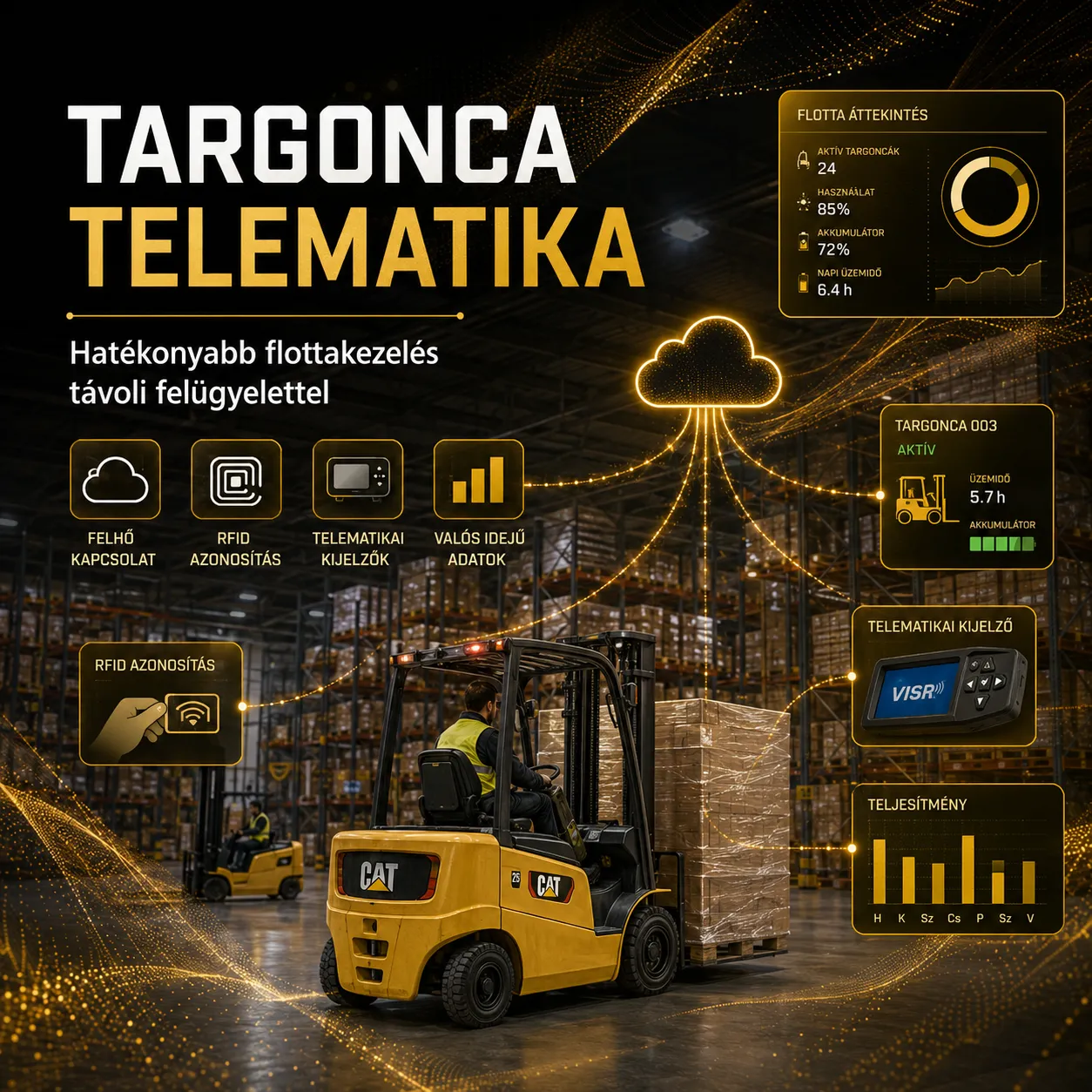
Modern fleet management systems are not only available to giant corporations. With a GPS-equipped forklift, you can track how much the forklift works, where it rests or stands idle for longer than it should, and which routes it travels.\ Benefits:
- More transparent work organisation
- Maintenance needs can be identified in good time
- Less waste of energy and fuel
4. Regular maintenance = continuous operation
If a forklift breaks down, the whole logistics chain grinds to a halt. Maintenance is not extra work – it is an investment in continuity.\ Stick to:
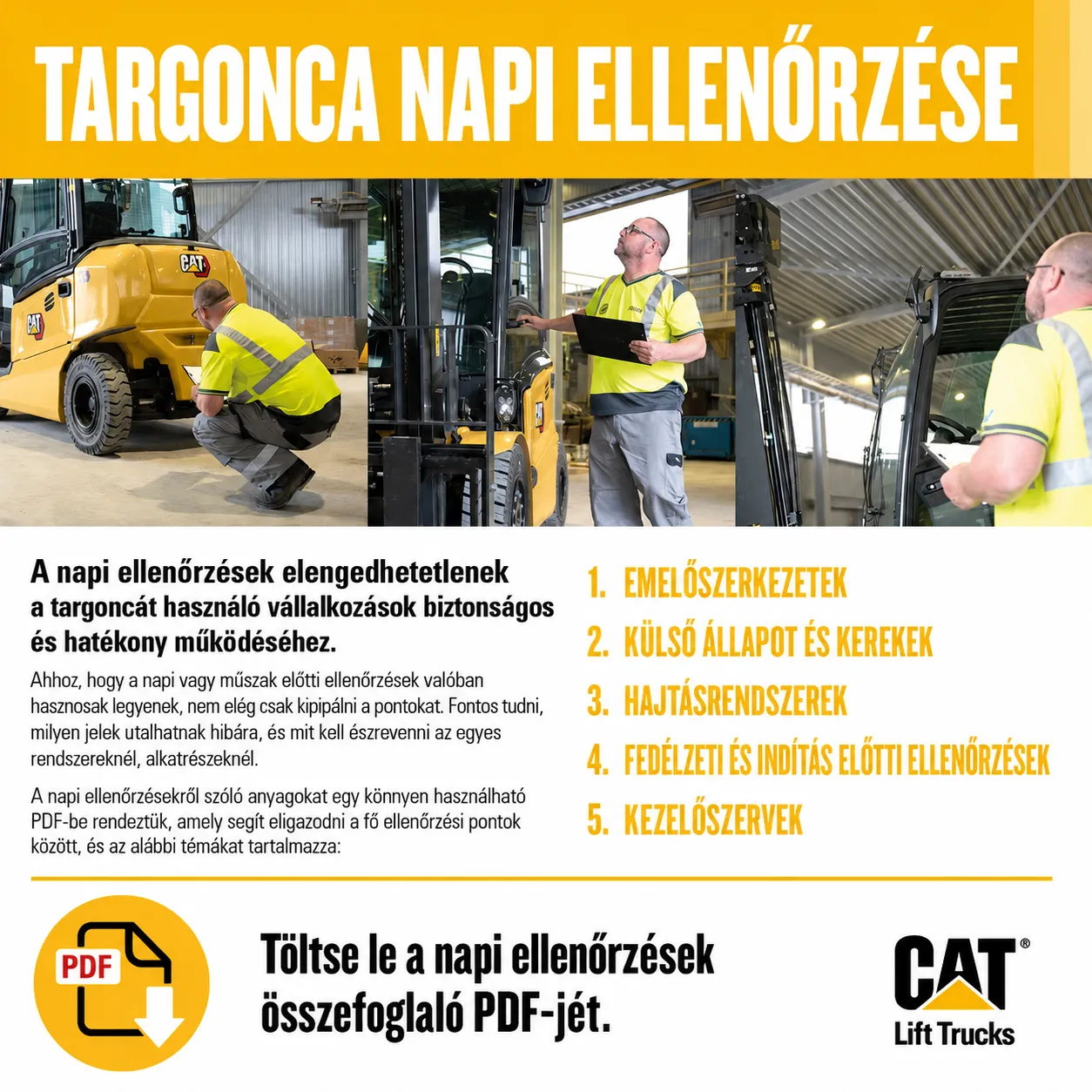
- Daily checks (oil level, brakes, tyres, fork condition)
- Monthly and six-monthly servicing
- The maintenance schedule in the operator's manual
5. Forklift training = safer and faster work
A forklift is only as good as its operator. A well-trained forklift operator can work faster, more accurately and more safely.\ Recommended:
- Regular in-house training and ongoing communication of new rules
- Collecting and organising feedback and sharing experience
- With a new forklift, practical training even for experienced operators
+1 tip: communication is key
Whether it is a small team or a large warehouse, effective communication makes everything easier. Radios, mobile apps, visual signals – all of these reduce errors, downtime and accidents caused by misunderstandings, thereby also increasing warehouse efficiency and speed.