

Brakes don't just make it possible to stop – they are the guardians of safety at every stage of loading, materials handling and warehousing.
Without a properly working braking system, not only does the risk of accidents increase, but productivity can also fall significantly. That is why it is crucial for companies to pay particular attention to regular brake inspection and maintenance.
Why is the condition of a forklift's braking system vital?
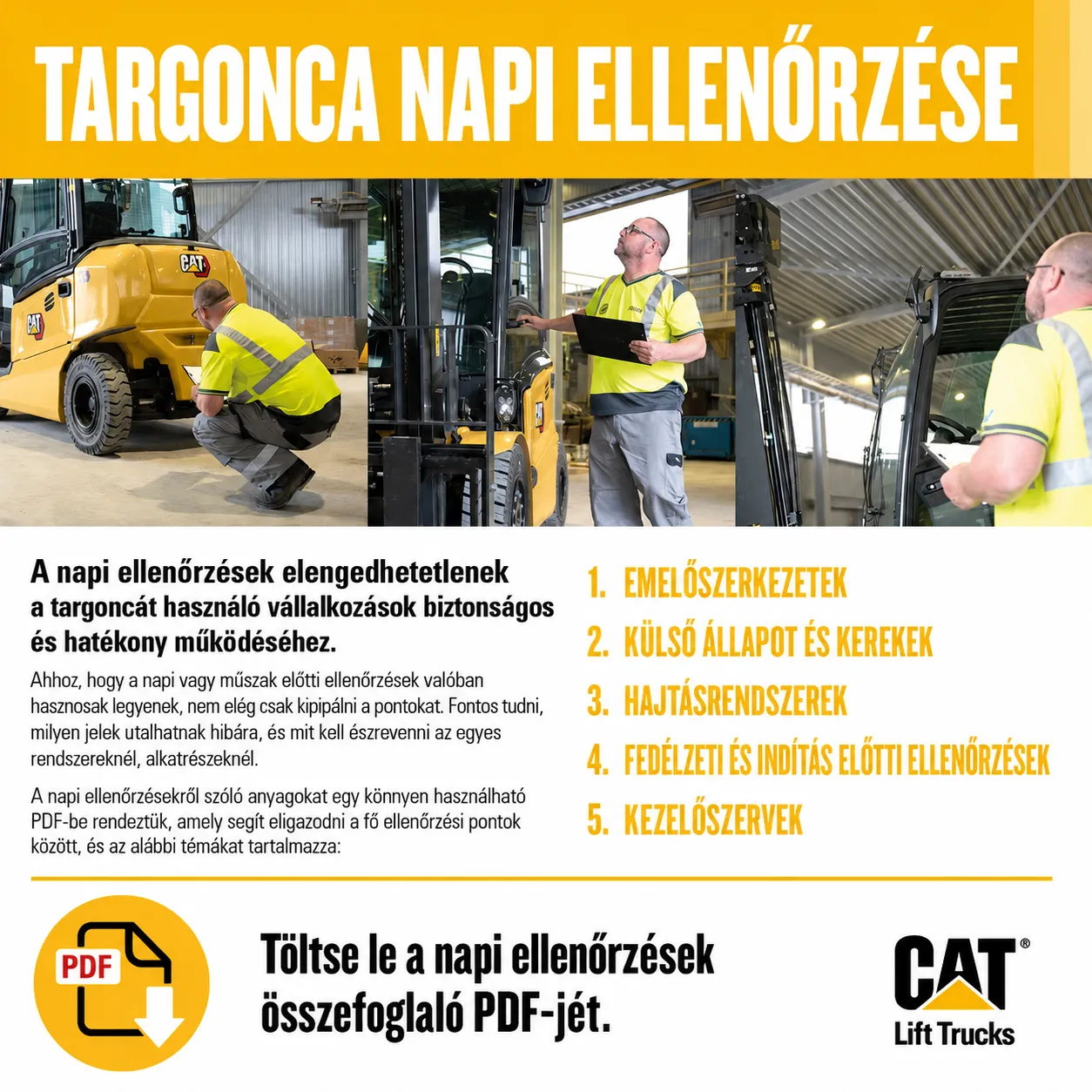
1. Daily checks – the first safety step
Testing the brake pedal and parking brake every day before the start of the shift is a basic requirement. Failing to do so is a serious safety risk, especially when the forklift is moving heavy loads in narrow aisles or busy warehouse areas.
2. Regular maintenance = longer service life and fewer breakdowns
Ongoing inspection, cleaning and servicing of the hydraulic braking system and disc brakes prevents wear and unexpected breakdowns. A neglected brake not only endangers the operator but can bring the entire workflow to a standstill – which can mean serious production losses and financial loss.
3. Environmental factors and load
Brake performance depends heavily on the operating environment. Dusty, wet or uneven work areas, as well as overloading the forklift, can accelerate wear on brake components. Intensive use of the brakes can also shorten their service life, so caution is particularly important.
4. Tell-tale signs of wear
- Unusual noise when braking (squealing, grinding)
- A "spongy" brake pedal feel
- Uneven, juddering braking
- Increased stopping distance
These all indicate that the braking system is worn and require immediate action. According to specialists' experience, wear appearing after 5,000–7,000 operating hours is the most critical period.
Types of forklift braking system
Drum brakes
These create the braking effect through the interaction of the brake drum and brake shoe. They are considered a durable solution, but the components wear continuously and therefore need regular maintenance.
Disc brakes
On more modern electric and hybrid forklifts, disc brakes are increasingly fitted as standard. Their great advantage is more precise and safer braking, and, coordinated with the drive control system, they ensure fully controlled stopping of the machine.
Regenerative braking system
New-generation electric forklifts often use regenerative braking, which not only slows the machine down but also feeds energy back into the battery. This is an environmentally friendly and economical solution that is becoming increasingly widespread in modern logistics processes.
Why does the braking system affect business results?
Many people see only the safety side of the braking system, yet it also has a direct impact on business efficiency.
- Fewer accidents = less downtime
- Reliable brakes = greater operator confidence
- Stable productivity = on-time delivery
A reliable forklift braking system therefore not only protects employees but also guarantees the stability of the entire business process.
How can we ensure the long-term reliability of the braking system?
- Daily routine check – check the brake pedal and parking brake at the start of every shift.
- Periodic maintenance – keep to the service intervals specified by the manufacturer.
- Use suited to the environment – more frequent cleaning in wet, dusty areas.
- Use genuine parts – fit factory-quality brake pads and brake discs.
- Involve expert service – regular inspection by a trained service team.
Summary
The forklift braking system is one of the most important pillars of workplace safety. With proper maintenance, not only can accidents be prevented, but downtime and repair costs can also be significantly reduced. Regular inspections, quality forklift parts and professional servicing all help to ensure that forklifts operate safely and efficiently in the long term.
If safety and reliability are important to you, entrust the maintenance of your braking systems to our experts!